


 sales1@lingtong-structures.com











What is the difference between a tent and a pod
 Oct 21, 2026|
 View:25
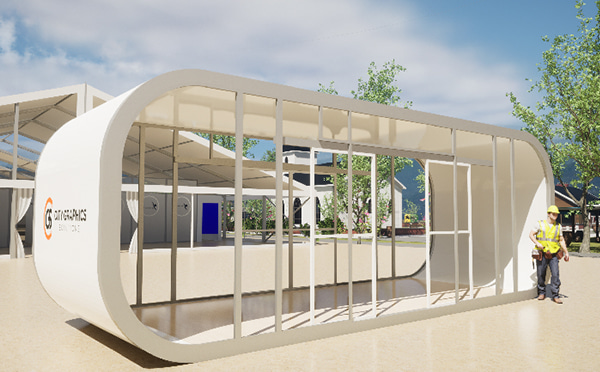
When people seek outdoor shelter or unique accommodation experiences, "tents" and "pods" (commonly referring to Capsule Tents) are often mentioned. While both provide covered space, they differ significantly in their essence, design, and purpose. Understanding these differences is crucial for choosing the shelter that best fits your needs.
1. Core Function & Purpose: Temporary Shelter vs. Semi-Permanent Living Solutions
Tent: Lightweight & Flexible Basic Shelter
Primary Goal: Provides fundamental protection from wind, rain, and sun, emphasizing lightness and portability for quick setup and takedown during hiking, backpacking, etc.
Mobility: Typically relies on manual carrying or vehicle transport (car roof/car boot). Simple structure, easy to repeatedly dismantle, move, and reassemble.
Comfort: Basic internal facilities; requires own sleeping pad/bag. Space is relatively cramped. Insulation and soundproofing are generally weak.
Capsule Tent: Modular Upgrade for Enhanced Living
Primary Goal: Provides basic protection while focusing significantly more on comfort, integrated functionality, and durability. Functions as a semi-permanent or movable micro-living space.
Mobility: Designed more for vehicle transport (like a Car Capsule Tent) or fixed-point use (like a High Quality Capsule Hotel Tent). Mobile, but generally less portable than traditional tents.
Comfort: Higher level of integration. Often includes built-in mattresses, lighting, power outlets (USB/sockets), and sometimes basic furniture. Space Capsule Tent designs emphasize efficient space utilization and ergonomics. Thermal insulation and soundproofing typically outperform regular tents.
2. Design & Structure: Simple Frame vs. Integrated Shell
Tent: Flexible Structure Relying on an Exoskeleton
Materials: Primarily flexible fabrics (nylon, polyester, canvas), relying on poles (metal or carbon fiber) for structure. Wind/rain resistance depends on attached rain flies or snow skirts.
Space Utilization: Internal space shape constrained by pole structure (typically dome or tunnel), leading to lower utilization of corner spaces.
Speed: While Pop Up Capsule Tent concepts exist, traditional tents generally have more widespread "instant setup" designs.
Capsule Tent: Shell Emphasizing Rigidity & Functional Integration
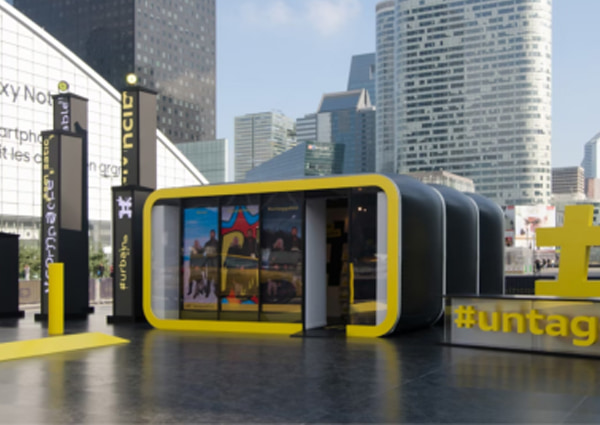
Materials: Often use sturdier composite materials (e.g., reinforced fiberglass, aluminum frames with composite panels) to form self-supporting or semi-self-supporting rigid/semi-rigid shells, akin to micro-building modules.
Space Optimization: Shape is often streamlined or rectangular (like Space Capsule Tent), allowing for more efficient, regular internal layouts. Walls are more vertical, maximizing usable floor space and facilitating integration of fixed fixtures.
Integration: Doors, windows, ventilation systems, and even simple sanitary facilities can be pre-installed. Electrical wiring is often pre-embedded within walls. Custom Mobile Eco Capsule Tent can integrate sustainable systems like solar panels or rainwater collection.
3. Application Scenarios: Wilderness Survival vs. Diversified Comfortable Living
Tent: The Classic Outdoor Adventure Companion
Main Scenarios: Backpacking, hiking, mountaineering, campgrounds, festivals – situations demanding maximum portability and frequent relocation.
Adaptability: High adaptability to rugged terrain; more flexible placement options.
Capsule Tent: Expanding the Boundaries of Accommodation
Main Scenarios:
Glamping: Offers comfort and a unique experience (e.g., spherical Space Capsule Tent) far exceeding tents.
Capsule Hotels / Unique Lodging:High Quality Capsule Hotel Tent used for low-cost, high-privacy modular rooms or boutique guesthouses.
Road Trip Basecamp:Car Capsule Tent serves as a vehicle-transported mobile cabin, providing a stable, comfortable base.
Temporary Workspace / Emergency Shelter: Rapidly deployable Pop Up Capsule Tent or Custom Mobile Eco Capsule Tent for research sites, construction offices, post-disaster relief.
Sustainable Eco-Projects:Custom Mobile Eco Capsule Tent emphasizes off-grid capability and eco-materials for eco-farms, nature reserves.
Conclusion: Choosing Your Shelter - Freedom of Movement vs. Quality of Living
The tent remains the lightweight cornerstone of outdoor adventure, while the Capsule Tent represents the new direction of shelter development towards comfort, functionality, and modularity. The tent pursues "freedom of movement," while the Capsule Tent is dedicated to creating "quality of living" in both mobile and fixed scenarios. The former is your simple companion for traversing the wilderness; the latter is your micro-home for enjoying the fusion of nature and modern convenience.
If you are seeking a Capsule Tent solution that perfectly blends innovative design, robust quality, and comfortable experience – whether for creating a unique High Quality Capsule Hotel Tent project, finding a reliable Car Capsule Tent, or sourcing a bespoke Custom Mobile Eco Capsule Tent – the professional Capsule Tent manufacturer, Lingtong, is worthy of your trust. Lingtong focuses on combining advanced materials with intelligent design, committed to providing high-quality capsule space products that meet diverse needs. Explore Lingtong's innovative solutions and unlock your upgraded "living" experience!