


 sales1@lingtong-structures.com








Aluminum Basketball Halls A Practical Alternative to Traditional Gymnasiums
 Jul 27, 2026|
 View:171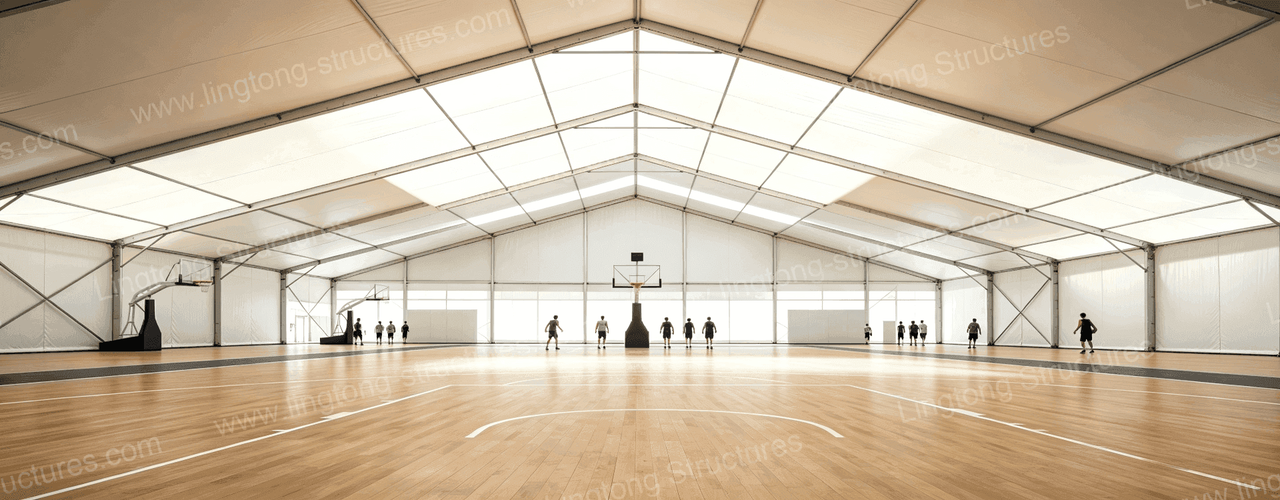
Basketball venue shortages are a global challenge, but budget, timeline, and site conditions shape the solutions available to different organizations. Traditional gym construction requires 12 to 24 months for approvals, costs continue to rise, and once built, the facility is permanent—if the neighborhood changes or the land lease cannot be renewed, the investment is difficult to recover.
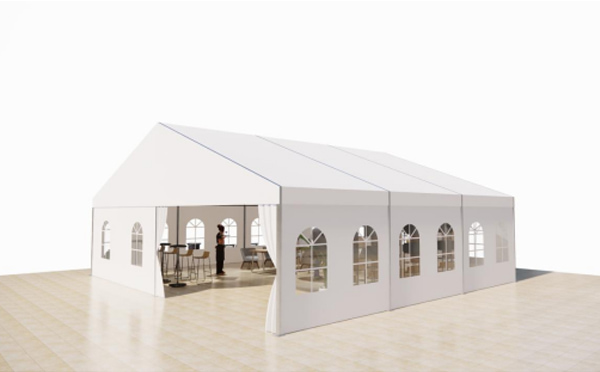
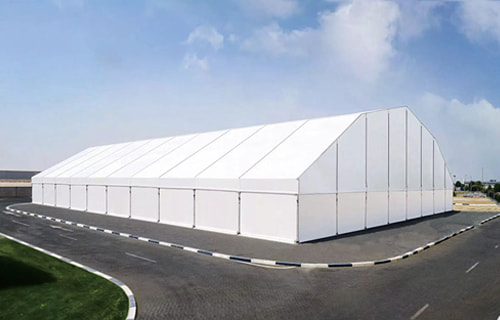
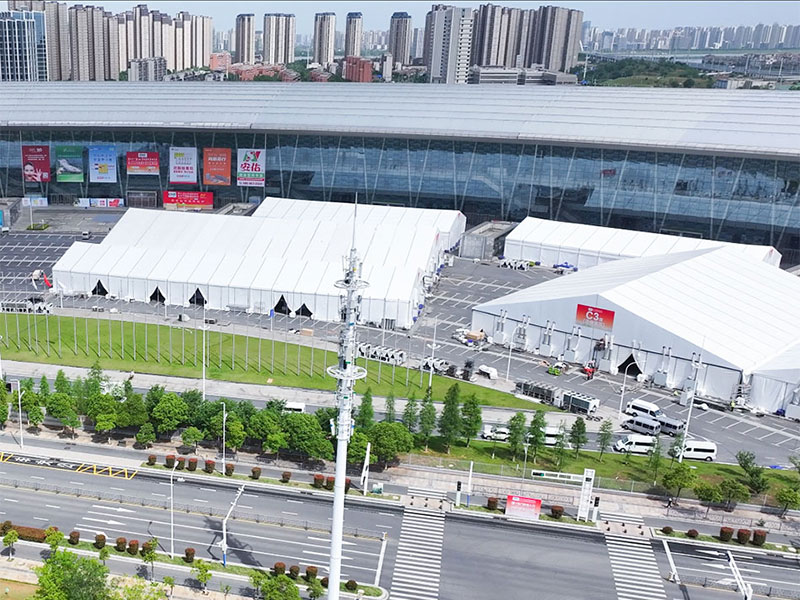
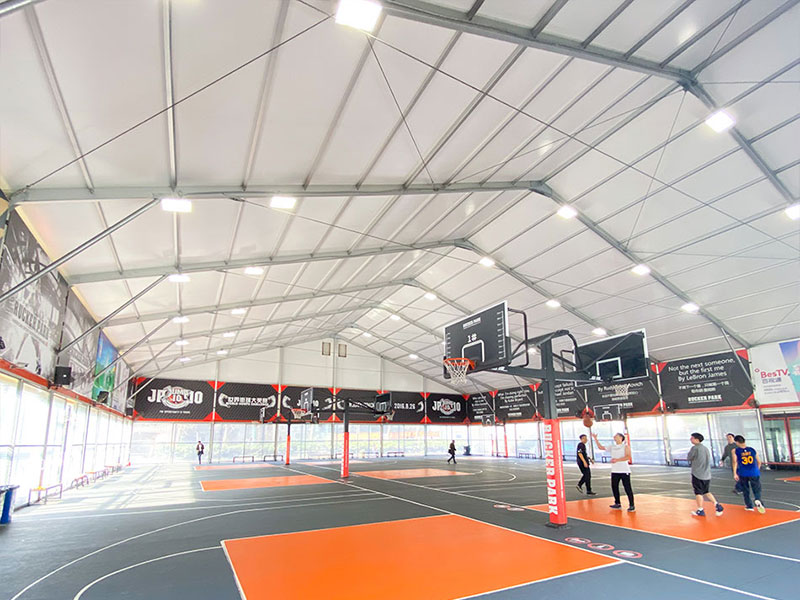
Aluminum halls offer a different path. They are not temporary event tents, but engineered structures with high-strength aluminum frames and weather-resistant PVC membrane cladding, designed for year-round use.
Three Core Operational Advantages
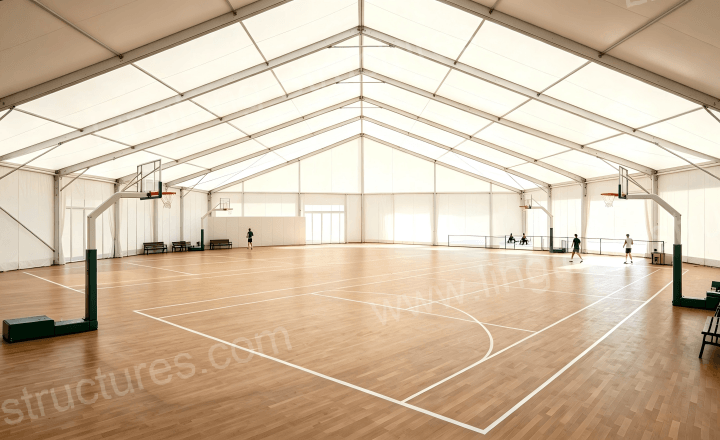
Fast delivery. Traditional gym construction is measured in years. A standard basketball hall—for example, 19m x 30m x 7m—can have its main structure erected in 3 to 5 days. From site preparation to first use, the total timeline is about 2 to 4 weeks. For schools facing a new semester deadline, this difference is critical.
Lower investment. Construction costs are 40% to 60% lower than conventional buildings. For a 450-square-meter facility with one full court, total investment is in the low five-figure USD range. This makes a real difference for community centers, startup training academies, and schools with limited budgets.
Relocatability. The modular bolted frame system can be disassembled, moved, and reassembled at a new location, with most components reusable. A paddle tennis club in Australia relocated their entire facility 5 kilometers away after their lease ended and reopened within three weeks, retaining their existing member base.
Can a Fabric Structure Meet Professional Standards?
The answer depends on specifications, not on the fact that it uses fabric cladding.
| Parameter | Minimum Requirement |
|---|---|
| Court dimensions (with runoff) | 28m x 15m (playing area); 44m x 24m recommended with buffer zones |
| Eave height | 7m for training; 8-10m recommended for official matches |
| Frame material | Aluminum 6061-T6, wind load rating 8-10 |
| Cladding | Double-coated PVC, fire-retardant, UV-resistant, waterproof |
| Flooring | Sports wood or high-performance PVC with moisture barrier |
| Lighting | 300 lux for training; 500-750 lux for competition, glare-controlled |
Eave height is where many projects go wrong. Training requires at least 7 meters. For any level of organized competition, 8 meters is safer, and 10 meters is preferred. Cutting height to save money upfront creates limitations that cannot be cost-effectively fixed later.
How Much Revenue Is Lost to Weather? Data from Real Operations
A basketball training center in Western Europe charges €40 per hour per court during peak hours. With three courts fully booked for 10 hours daily, the theoretical maximum daily revenue is €1,200.
During the rainy season, an average of 10 days per month see low attendance and empty courts. This results in a monthly loss of €12,000, or €36,000 per quarter.
Some owners accept this as inevitable. However, a growing number are choosing to cover their courts with aluminum structures, effectively removing weather from their operational equation.
Enclosing courts does introduce new costs—lighting, ventilation, and climate control. But based on projects we've tracked, most operators find the overall returns more stable with an enclosed solution over a 3-to-5-year period.
Who Is Using These Structures?
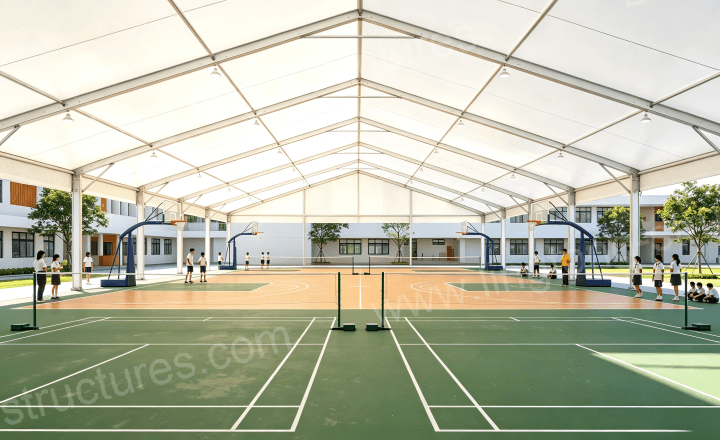
Schools. An international school in Southeast Asia needed indoor space before the new academic year. Their traditional construction plan was stuck in permitting. They switched to a 32-meter span aluminum structure with two basketball courts and four badminton courts—delivered in three weeks.
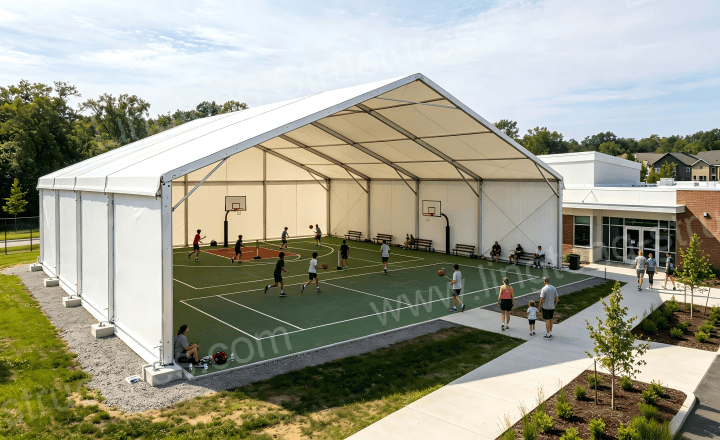
Community centers. A community center in North America planned to build on land with underground utilities that could not support a concrete foundation. The lightweight aluminum frame solved the problem. The facility now runs at near-capacity usage.
Commercial training operators. A tennis club in Europe calculated that revenue lost during rainy-season closures over one quarter was enough to fund an enclosed structure. They built it, eliminated weather-related cancellations, and recovered their investment within two years.
Planning Considerations
1. Site preparation matters more than you think. Although the structure is relocatable, for long-term use, invest in proper site work—hardened flooring, drainage, and embedded utility conduits. Skipping this creates ongoing maintenance issues.
2. Don't select a supplier on price alone. Aluminum alloy grade, surface treatment, connector quality, and fabric fire rating all affect service life. Multiple cases show that the lowest-cost option leads to frame corrosion and membrane leaks within 3 to 5 years—and replacement costs exceed the original savings.
3. Consider open-side configurations where climate allows. In temperate regions, removing sidewalls reduces cost by 20% to 30% and improves natural ventilation. Just add ball nets to prevent balls from flying out.