


 sales1@lingtong-structures.com











How Industrial Storage Tents Solve Global Warehousing Challenges?
 Sep 26, 2025|
 View:742
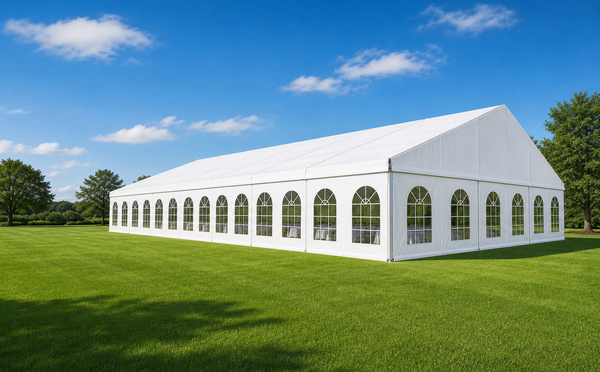
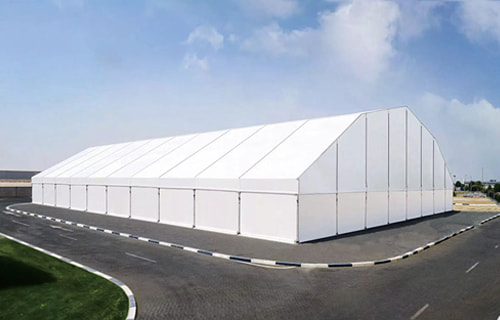
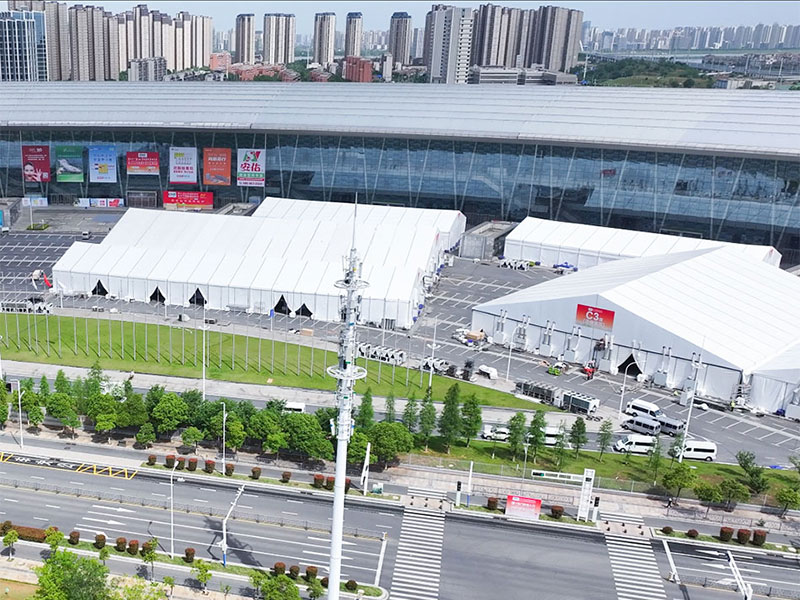
In today's rapidly evolving global supply chain and e-commerce landscape, businesses are increasingly demanding flexible, efficient, and cost-effective storage solutions. Traditional reinforced concrete warehouses involve long construction cycles, massive investments, and lack flexibility, making them inadequate for handling seasonal fluctuations and emergency storage needs. It is in this context that the Industrial Storage Tent, with its modular design, rapid deployment, and exceptional adaptability, is emerging as a revolutionary solution for logistics, manufacturing, agriculture, and other sectors.
1. Why Choose an Industrial Storage Tent? Analysis of Three Core Advantages
1. Ultimate Flexibility and Scalability
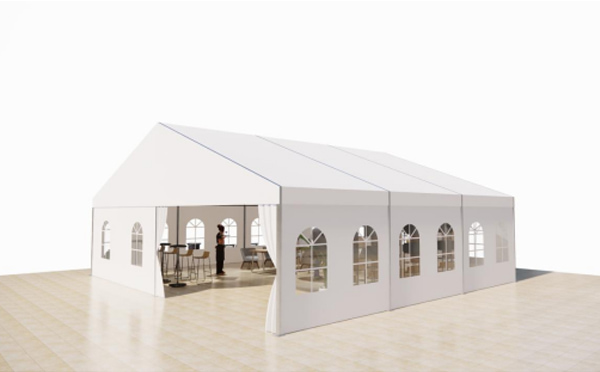
Rapid Deployment Capability: A standard Industrial Storage Tent can be installed within days, far surpassing the months-long construction cycle of traditional warehouses, enabling businesses to respond quickly to market changes. Modular Design: Utilizing a modular aluminum alloy frame structure, it allows businesses to easily expand or reduce storage space based on actual needs, achieving "on-demand storage" and significantly reducing initial investment costs. Site Adaptability: Requires no complex foundation work and can be installed on concrete, dirt, or even grass, easily solving storage challenges on temporary sites, irregular terrain, or during emergencies.
2. Exceptional Durability and Comprehensive Protection
Industrial-Grade Materials: Top-tier Industrial Storage Tents use high-strength aluminum alloy frames (e.g., 6082-T6) and PVC-coated tarpaulin (850g/m² or higher), offering corrosion resistance, wind resistance (up to 120 km/h), and snow load capacity (typically ≥ 1.5 kN/m²). All-Weather Protection: The tarpaulin is 100% waterproof, UV-resistant (UPF50+), and flame-retardant (certified to DIN4102 B1/M2), effectively protecting goods inside from rain, wind, sun, and accidental fire hazards. Long Service Life: With proper maintenance, the aluminum alloy frame can last over 20 years, and the fabric material can last 10-15 years, making it a reliable long-term asset.
3. Significant Cost-Effectiveness and Environmental Benefits
High Return on Investment (ROI): Compared to permanent warehouses, the investment cost of an Industrial Storage Tent can be up to 60% lower. Its relocatable and reusable nature further reduces long-term costs. Easy Operation and Maintenance: Requires only simple cleaning for daily upkeep, with almost no maintenance costs. The modular design facilitates easy partial replacement or repair. Green and Low-Carbon: Primary materials like aluminum and PVC are recyclable. The construction process generates no dust or construction waste, aligning with modern corporate ESG (Environmental, Social, and Governance) goals.
2. Application Scenarios of Industrial Storage Tents: Beyond Traditional Imagination
Logistics and E-commerce Warehousing: Serves as temporary sorting centers and package transfer stations during peak seasons like "Singles' Day" or "Black Friday," alleviating warehouse overload. Raw Material and Finished Goods Buffer in Manufacturing: Acts as a buffer warehouse for production lines, storing raw materials (e.g., plastic pellets, textiles, hardware) or finished goods awaiting shipment. Agricultural and Food Storage: Provides ventilated and weather-protected storage for grains, feed, fertilizer, or serves as a temporary transfer hub for cold chain logistics. Mining and Heavy Equipment Shelter: Offers weather protection for large equipment like excavators and mining trucks, extending their service life. Emergency Disaster Relief Warehousing: Can be rapidly deployed after natural disasters to serve as command centers and warehouses for storing and distributing relief supplies.

3. How to Choose the Right Industrial Storage Tent?
Define Core Needs: Identify the type of goods to be stored (e.g., sensitivity to light, moisture), required dimensions, expected lifespan of the tent, and local climate conditions (wind, snow loads). Certifications and Safety Standards: Always choose products certified to international standards like CE and ISO9001, ensuring complete structural safety calculations and traceable materials. Flame retardancy certification (e.g., DIN4102 B1) is crucial. Supplier's Expertise: A superior supplier provides not only high-quality products but also professional wind and snow load calculations, installation guidance, and after-sales support, which are key to project success.
Conclusion
Related products
Related cases


Recent News
1.What Tent Is Best for Heavy Rain?
2025-06-192.How to Measure a ClearSpan Tent?
2025-06-303.What is a Heavy Duty Tent?
2025-07-144.Which tent type is the most popular and widely used?
2025-07-035.How Industrial Storage Tents Solve Global Warehousing Challenges?
2025-09-266.20x20 High Peak Tent:The Ultimate Flexible Space Solution
2026-09-02