

 sales1@lingtong-structures.com











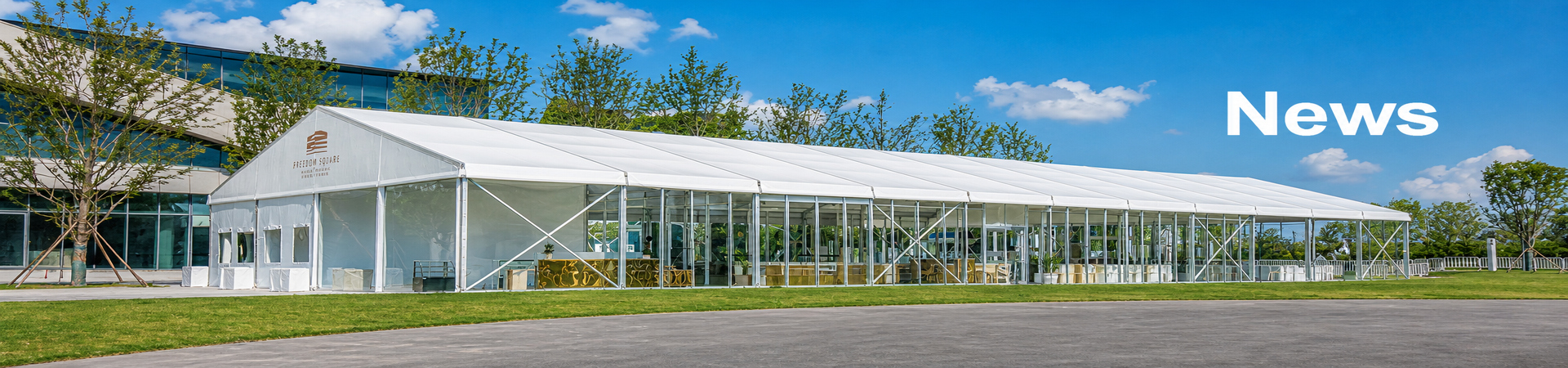
Is a Steel or Aluminum Tent Frame Better?
 Jul 31, 2025|
 View:1536
Faced with a myriad of tent products on the market, choosing between a steel tent frame and an aluminum frame tent is a critical purchasing decision. This article provides a scientific analysis of the core differences between these two materials.
In temporary structures and outdoor space solutions, the choice of tent frame material directly impacts user experience and cost-effectiveness. With advancements in material technology, aluminum frame tents are increasingly becoming the market favorite, yet traditional steel tent frames still have their applications. As a procurement decision-maker, understanding the performance differences between these materials is essential for making an informed choice.
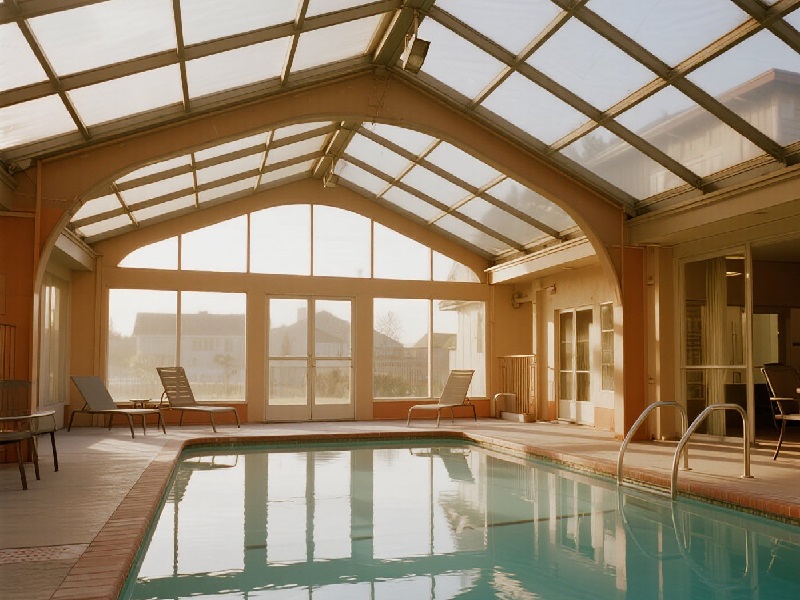
1. Weight & Portability: Aluminum Frame’s Clear Advantage
Density Differences Dictate Portability
The primary advantage of an aluminum frame tent lies in its weight. Aluminum alloy has approximately one-third the density of steel, meaning aluminum frames are about 66% lighter than steel frames of similar volume. This significantly reduces labor and logistics costs during transportation, handling, and storage.
Transport Cost Comparison
For applications requiring frequent relocation (e.g., touring exhibitions, temporary markets, or disaster response), lightweight aluminum tent structures can save up to 30% in transportation costs. A standard 40-foot container can hold over 50% more components of an aluminum frame system compared to steel, greatly enhancing logistics efficiency.
2. Installation Efficiency & Flexibility: The Win for Modular Design
Measured Setup Speed Comparison
Aluminum frame tents utilize modular designs with lightweight components connected via plug-in systems for rapid assembly. Field tests show that for tents of identical size, aluminum frame assembly takes only 60%-70% of the time required for steel frames. For a 1,000 sqm structure, a professional team can install a full aluminum frame tent within 8 hours, versus 12+ hours for a steel equivalent.
Site Adaptability
The lightweight nature of aluminum frames allows easy adaptation to various terrains, including:
Soft ground conditions
Roof terrace installations
Temporary event venues
In contrast, heavy steel frame structures often require additional ground reinforcement, increasing construction difficulty and costs.
3. Aesthetics & Customization: Aluminum’s Modern Appeal
Surface Treatment Advantages
Aluminum frames feature natural metallic luster and can achieve diverse finishes through modern techniques:
Anodizing: Enhances surface hardness, offers metallic or colored finishes
Powder coating: Allows customization to any RAL color
Electrophoretic coating: Creates uniform, highly weather-resistant layers
These treatments enable aluminum frame tents to integrate seamlessly into high-end commercial events, weddings, and other aesthetics-sensitive applications.
Design Flexibility
Aluminum’s excellent extrusion capabilities permit complex cross-sectional shapes, enabling unique curved structures and contemporary designs unachievable with traditional steel frames.
4. Corrosion Resistance & Lifespan: Long-Term Value Comparison
Corrosion Resistance Testing
In humid or saline environments, aluminum frames naturally develop a protective oxide layer that effectively resists corrosion. Real-world data shows that in coastal areas, aluminum frame tents remain in excellent condition after 5 years, whereas untreated steel frames show visible rust within 6-12 months.
Lifecycle Cost Analysis
| Performance Metric | Aluminum Frame Tent | Steel Frame Tent |
|---|---|---|
| Average Lifespan | 20-30 years | 10-15 years |
| Maintenance Cycle | Maintenance-free | Annual anti-corrosion treatment |
| Recycling Value | >90% material recovery rate | Lower recovery value |
Although the initial investment for an aluminum frame tent may be 15%-20% higher, its 20-year lifecycle cost is 30%-40% lower than steel frames, primarily due to reduced maintenance and extended service life.
5. Application Scenario Guide: Choosing the Right Frame
Preferred for Aluminum Frames
Frequent relocation requirements
Coastal or high humidity areas
Short setup time events
High-end commercial displays
Long-term temporary structures
Suitable for Steel Frames
Permanent fixed installations
Extreme heavy snow regions
Ultra-low budget projects
Specialized industrial shelters
For most commercial and event applications, aluminum frame tents demonstrate superior overall performance, especially when considering total cost of ownership.
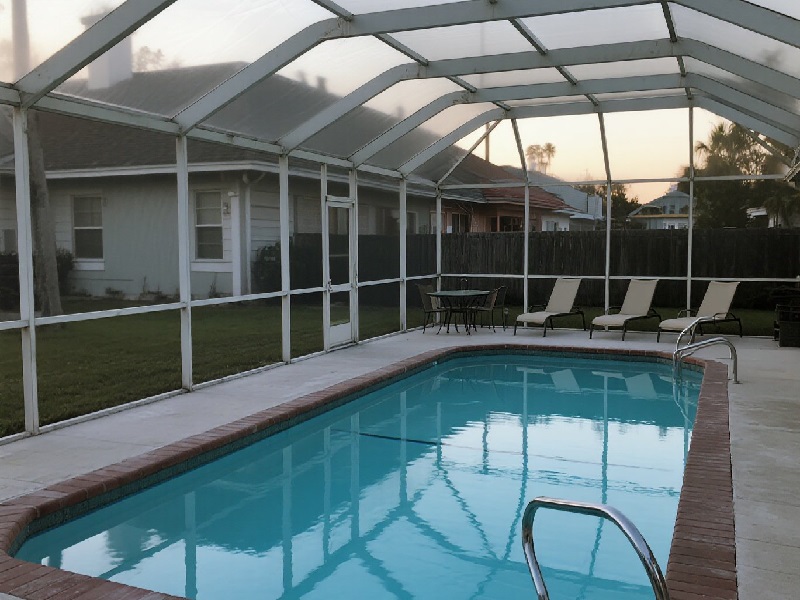
Conclusion: The Comprehensive Advantages of Aluminum Frame Tents
Comparative analysis confirms that aluminum frame tents significantly outperform traditional steel tent frames in critical metrics: weight reduction, installation efficiency, aesthetic flexibility, and corrosion resistance. The higher initial investment is offset by extended lifespan and lower maintenance, delivering better lifecycle return on investment.
For businesses and event planners seeking reliable temporary space solutions, partnering with a specialized manufacturer is crucial. Lingtong Aluminum Frame Tent Factoryleverages advanced material technology and engineering expertise to provide comprehensive services—from design to installation—ensuring every tent achieves the optimal performance-cost ratio. Contact us today for customized aluminum frame tent solutions and experience the superior performance of lightweight modern structures.
Pro Tip: Before finalizing your decision, share your specific requirements (including wind/snow loads, installation terrain, and usage duration) with the Lingtong technical team. We’ll develop a tailored material optimization plan to balance performance and budget needs.