

 sales1@lingtong-structures.com











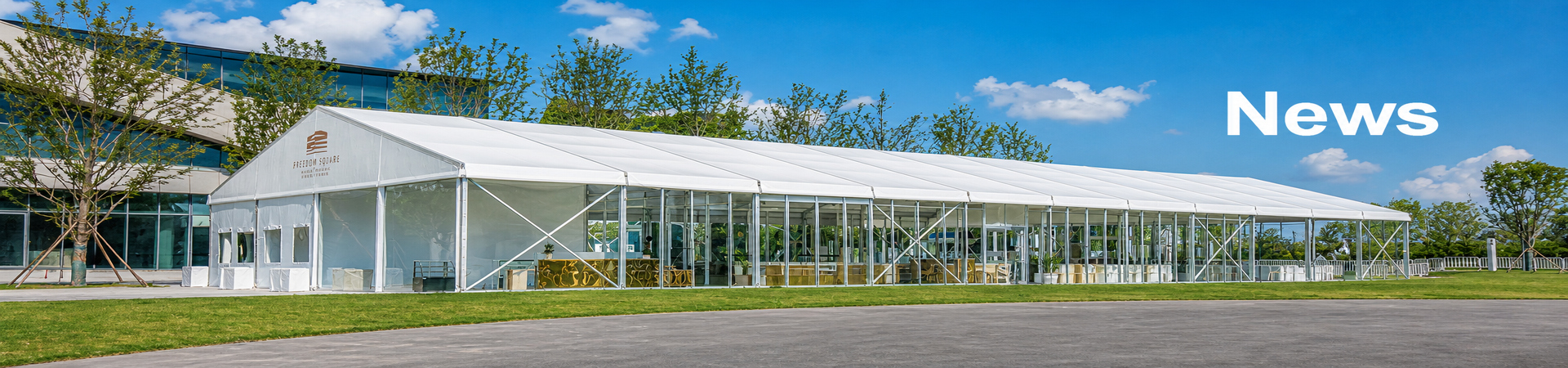
What Material is Best for Tent Frames?
 Aug 07, 2025|
 View:1117
As outdoor activities, commercial exhibitions, and glamping experiences surge in popularity, tents have become the go-to solution for flexible spaces. However, the stability, durability, and portability of tents fundamentally depend on their frame material. With options ranging from steel and aluminum alloy to fiberglass and wood, what material is best for tent frames? This article breaks down the characteristics of common frame materials to help you make an informed decision.
1. Comparative Analysis of Common Tent Frame Materials
Steel Frames: When Heavy Duty is Essential
Pros: Exceptional load-bearing capacity; ideal for extreme weather.
Cons:
Heavyweight: Challenging to transport/install, especially for large frame tents.
Prone to Rust: Requires frequent anti-corrosion treatment in humid environments.
Fiberglass Frames: Lightweight but Limited
Pros: Flexible and shock-absorbent; decent wind resistance.
Cons:
Poor Weather Resistance: Brittleness and deformation under prolonged UV exposure.
Low Strength: Suitable only for small tents; risky for large structures.
Wooden Frames: Eco-Friendly Aesthetics
Pros: Natural look; ideal for eco-resorts.
Cons:
High Maintenance: Regular anti-rot and pest control needed.
Fire Hazard: Safety concerns in dry conditions.
2. Aluminum Frames: The All-Round Champion
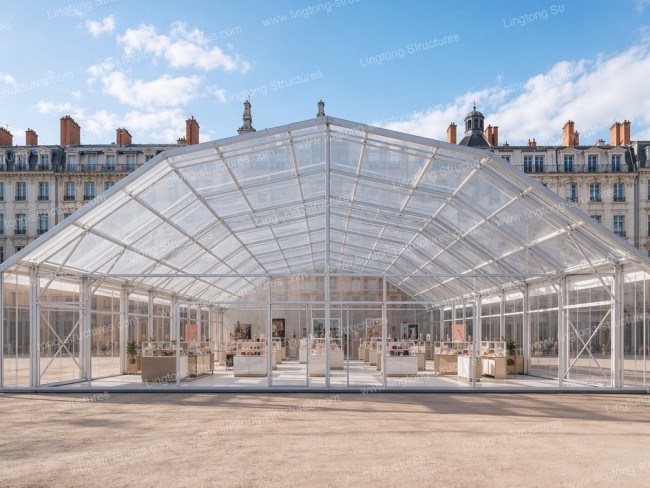
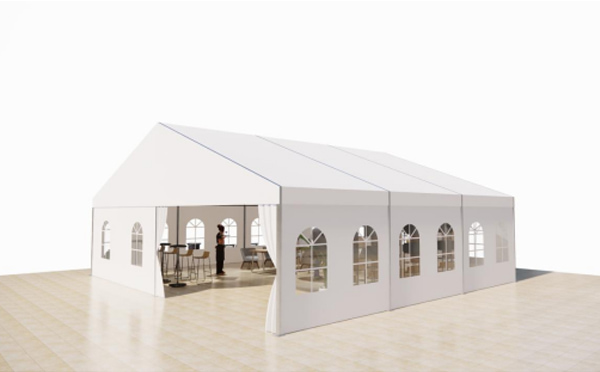
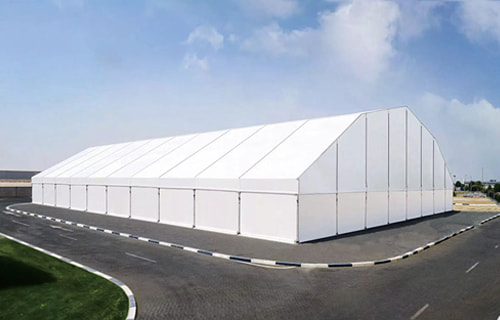
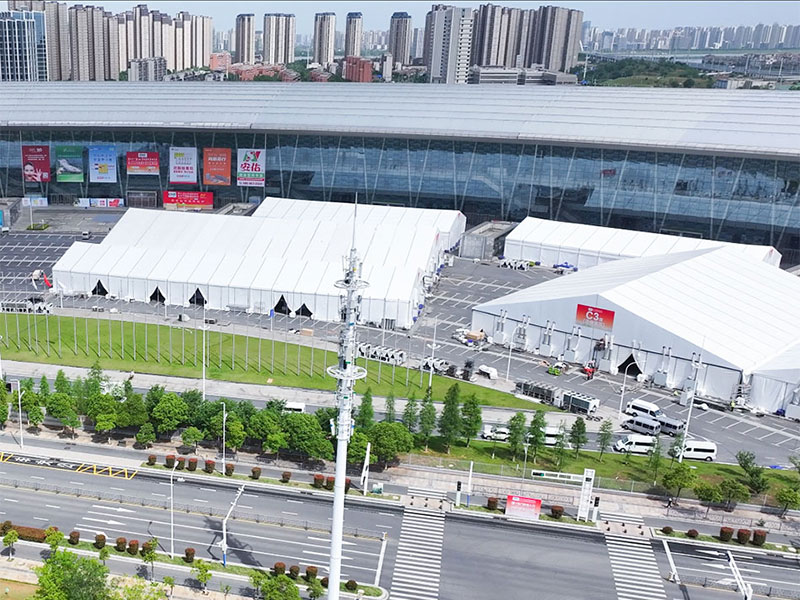
Aluminum frame tents dominate the market for their balanced performance, particularly in A-frame tents and large frame tents.
1. Perfect Blend of Lightweight & High Strength
Density is 1/3 that of steel, improving portability by 50+% and cutting logistics costs.
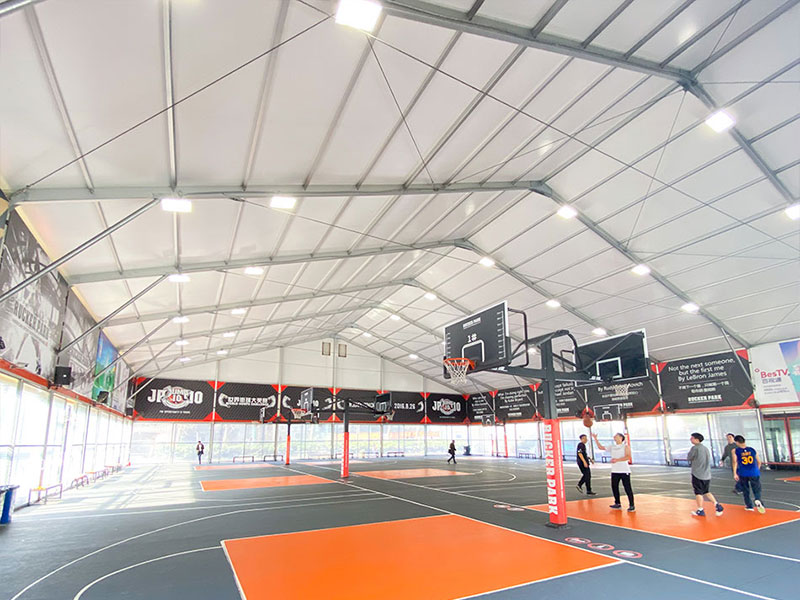
Aerospace-grade alloys (6061-T6/6082-T6) enable spans up to 50m with a snow load capacity of 25kg/㎡.
2. Superior Weather Resistance & Longevity
Anodized surfaces offer far better corrosion resistance than steel—ideal for coastal/salty environments.
Lifespan of 20–30 years slashes long-term replacement costs.
3. Unmatched Versatility
Modular Design: Rapid assembly for infinitely expandable structures.
Multi-terrain anchoring: Secures firmly on concrete, grass, or sand via ground stakes/weight plates.

3. How to Choose the Right Aluminum Frame Tent?
1. Define Your Needs
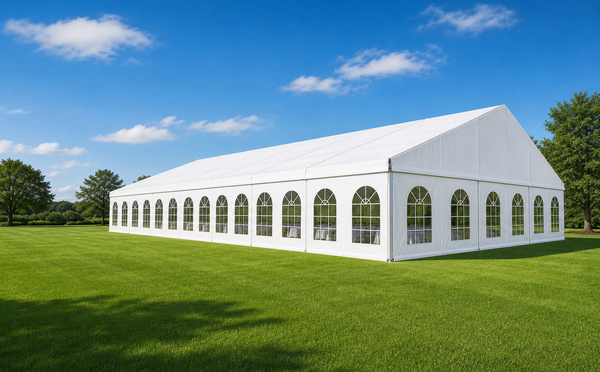
Short-term events (weddings/exhibitions): Opt for lightweight 6061-T6 A-frame tents.
Permanent/semi-permanent builds (glamping tents/warehouses): Prioritize high-strength 6082-T6.
2. Key Specifications to Check
Profile Dimensions: Main beams for large frame tents should be ≥256×120mm.
Surface Finish: Anodized > powder-coated for scratch resistance.
Certifications: ISO9001/CE compliance ensures wind/fire safety.
3. Customization Options
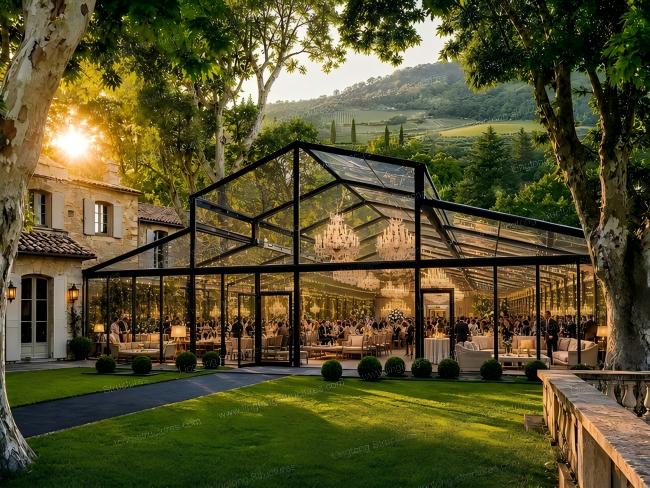
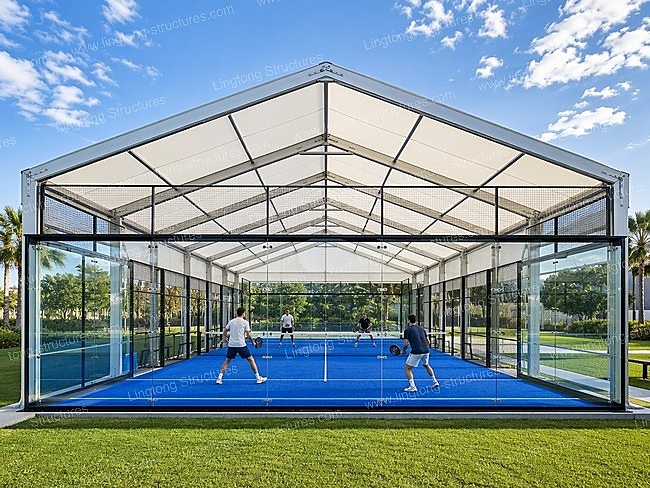
Upgrade with PVC double-layer fabric (UPF50+ waterproofing), glass walls, or smart ventilation systems.
Conclusion: Invest in Long-Term Value
Aluminum frame tents emerge as the ultimate solution—from portable A-frame tents to expansive large frame tents—thanks to their lightweight strength, durability, and cost efficiency over their lifecycle. Whether for temporary events or permanent installations, aluminum frames deliver safety and adaptability.

Partner with Experts for Uncompromised Quality
As an industry leader in outdoor structures, Lingtong uses aerospace-grade 6061-T6/6082-T6 aluminum alloys to deliver customizable solutions—from compact 3m event tents to 50m-span warehouse tents.
Contact Lingtong aluminum frame tent factory today for your tailored tent solution→